
Interview with Miriam Paphius, New Director of Programming NBMC
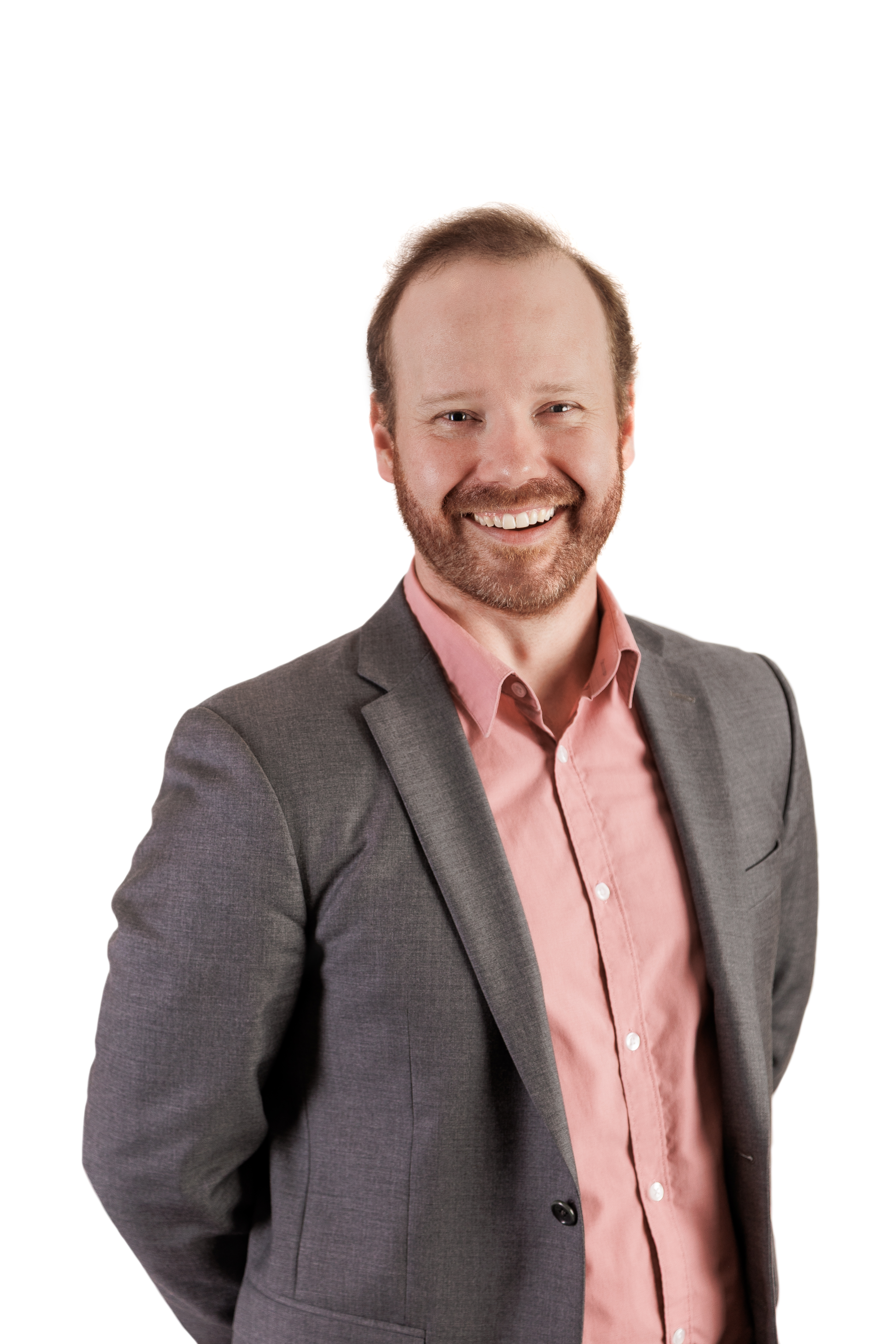

In this interview for the newsletter, Nicole Sanchez, Training & Engagement Specialist, speaks with Miriam Paphius, the Program Director at the New Brunswick Multicultural Council (NBMC), about her inspiring professional journey spanning community empowerment in Haiti, organizational transformation in Quebec, and linguistic minority support in New Brunswick. Paphius emphasizes her core vision for the NBMC: focusing on concrete, human-impact outcomes rather than just quantitative numbers to create lasting, positive change in local communities. She also discusses her recent appointment to a national collaborative table addressing equity and anti-racism, as well as the strategic importance of opening NBMC training programs to the general public to foster broader societal inclusion beyond already-sensitized settlement sectors.
Nicole Sanchez:
To help our readers get to know you better, could you share an overview of your professional background before joining the New Brunswick Multicultural Council?
Miriam Paphius:
Before coming to Canada, I began my professional experience with a small organization in rural Haiti that supported women with entrepreneurial projects. In Haiti, the economy is largely driven by women, but their contribution is often less recognized. That project was really about accompanying them, restoring agency in their lives, and teaching them financial management so they could grow their small businesses. I think it was through that project that I developed a deep interest in working with equity-deserving populations whose work deserves recognition. From there, I decided to pursue a master’s degree in project management in Canada. During my studies, I began working at La Débrouille, a women's shelter. Toward the end of my degree, the organization was looking at how to better adapt its services to make them more accessible and inclusive. The project evolved into an organizational transformation, shifting the mission and vision of the organization to reach more equity-deserving individuals. When I moved to New Brunswick as a Francophone in a minority context, I worked on making new products more inclusive and welcoming for newcomers. Throughout my career, there has been a common thread: how to create a better society for equity-deserving communities. I joined the New Brunswick Multicultural Council (NBMC) where I've been able to bring all these interests together across various projects. Currently, I am also completing a micro-certificate in Francophone immigration management to better understand the realities of Francophone minority communities and explore how we can better adapt integration programs for newcomers in these areas.
Nicole Sanchez:
As you step into your role as Director of Programs, what main areas are you most excited to focus on over the coming months? What are your primary goals in your new role to support our community?
Miriam Paphius:
I try to maintain a balance so I can invest equitably across all programs. However, given my background working with women, I have a special attachment to the "Je suis visible, je suis capable" (I am visible, I am capable) project. My vision is to ensure that NBMC’s entire portfolio delivers concrete outcomes so we can see real-world impacts for the populations we serve. It’s not just about running projects for the sake of running projects, but about the impact they create. My main objective is to move beyond simply meeting the targets set by funders—to look past quantifiable numbers and focus on the real, positive changes brought to people's lives.
Nicole Sanchez:
In addition to your leadership role at NBMC, what other committees, national initiatives, or community organizations are you currently involved with?
Miriam Paphius:
I recently joined the Collaborative, a national table that brings together representatives from the settlement and resettlement sector alongside IRCC. It's a platform to address equity and anti-racism—a space for collective reflection to drive concrete action. I bring my experience in intersectionality, organizational transformation, inclusion, and collaboration. At the same time, I hope to bring back key national learnings to adapt best practices to our local reality in New Brunswick, Canada’s only officially bilingual province. My goal is to build that bridge between national initiatives and New Brunswick.
Nicole Sanchez:
Previously, NBMC’s training programs were geared mainly toward settlement agencies and ethnocultural organizations. What do you hope to achieve by opening these training sessions to the broader New Brunswick public?
Miriam Paphius:
The settlement sector is already quite sensitized to these issues. Expanding these training opportunities beyond the sector broadens access to knowledge. If we want lasting change across our province and communities, it has to extend beyond just settlement organizations. While a single training session won't transform society overnight, it is an essential first step. Participants gain knowledge, question their perceptions, reflect on their practices, build practical tools, and initiate change. Opening this up to the general public allows us to maximize our impact across the province.